
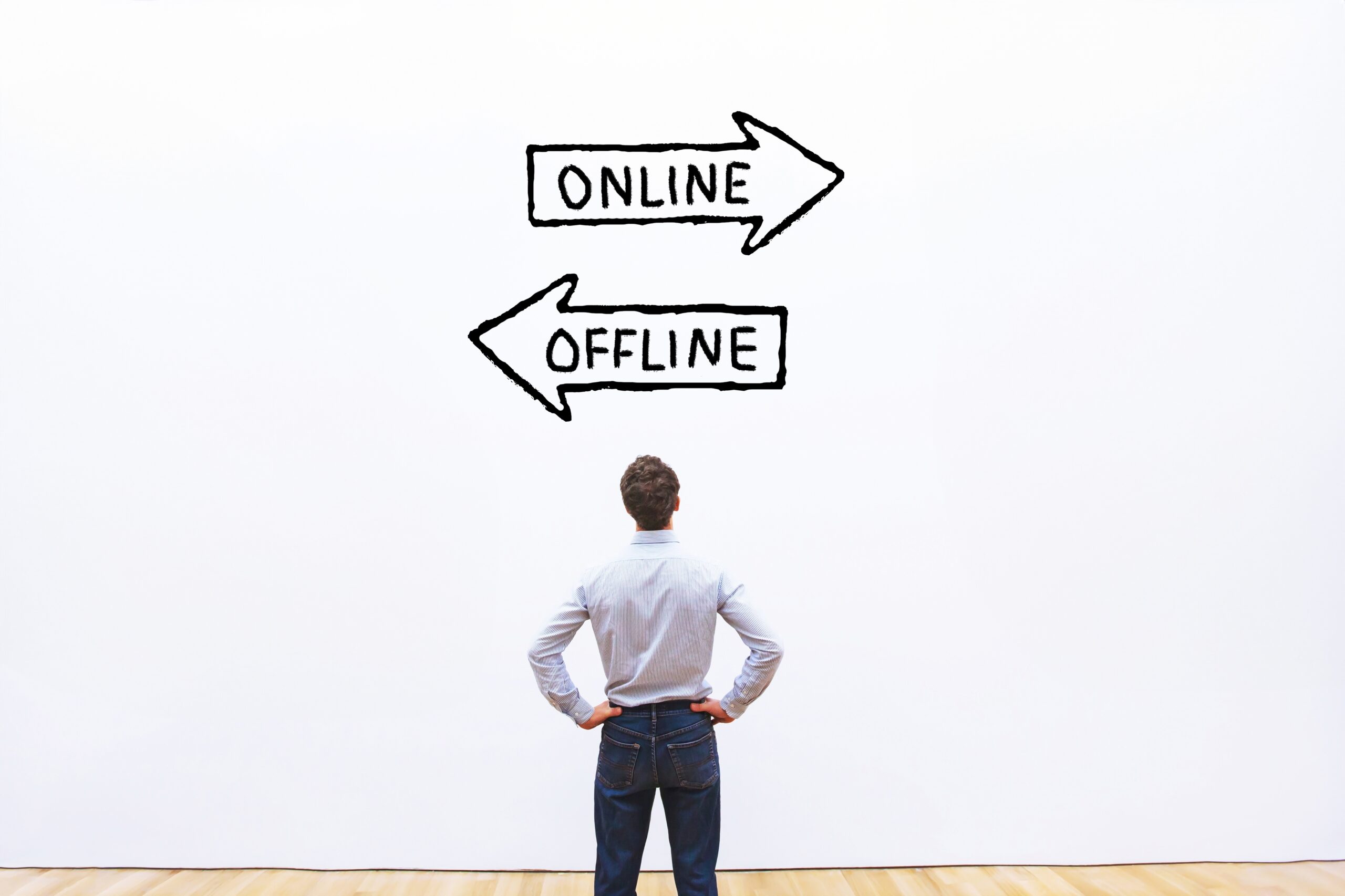
Choosing between direct marketing and digital ads is a bit like choosing between a handwritten letter and a text message.
Both get the message across, but the experience and impression they leave couldn’t be more different. Digital ads bring speed, scale, and automation, while direct marketing services deliver presence, personal connection, and human trust. Businesses today often wonder which one truly resonates with customers.
The answer may surprise you, because what works best depends less on the channel and more on the connection.
Understanding Direct Marketing Services
Direct marketing services focus on building face-to-face connections and delivering messages directly to customers. Unlike mass advertising, this method involves personal interaction, often through in-person events, door-to-door promotions, trade shows, or community campaigns.
The defining feature of direct marketing is its human connection. When representatives meet customers, they’re able to answer questions, address concerns, and communicate value in a way that goes beyond what a digital ad can accomplish.
For example, imagine a product demo at a local fair. Customers can touch, test, and experience the product while receiving explanations in real time. That moment often creates trust and credibility, paving the way for long-term loyalty.
In fact, businesses that invest in direct marketing campaigns often notice that customers remember their interactions for months or even years, proving the long-lasting impact of personal engagement.
The Strengths of Direct Marketing
- Personalized Interaction: Customers today crave authenticity. Direct marketing provides an opportunity for representatives to tailor their message to each person, adapting based on questions, tone, and reactions.
- Instant Feedback: Face-to-face marketing allows businesses to gather immediate insights from customers. Instead of waiting for click-through data, companies can hear real concerns and preferences on the spot.
- Memorable Experiences: A personal conversation or live demonstration is more likely to stick in someone’s memory than a passing online ad. This makes direct marketing an effective tool for brand recognition.
- Higher Trust Factor: People tend to trust other people more than faceless online ads. Direct marketing thrives on building rapport and credibility.
The Limitations of Direct Marketing
No approach is perfect. Direct marketing does face challenges:
- Scalability: Reaching thousands of people in a short time requires more staff, planning, and resources.
- Geographic Constraints: Direct marketing is often limited to specific locations or communities.
- Costs per Interaction: While impactful, in-person engagements can be more expensive than running a batch of online ads.
Despite these challenges, many businesses find that the value of strong connections outweighs the limitations.
Understanding Digital Ads
Digital ads dominate the marketing world. They include social media ads, search engine marketing, display ads, and video promotions. The power of digital advertising lies in its reach, speed, and data-driven precision.
With the right budget, a company can run an ad today and reach millions of people by tomorrow. Advanced targeting tools allow businesses to zero in on customer demographics, interests, and behaviors, making digital ads incredibly efficient.
Because of their versatility, digital ads are a cornerstone of modern advertising strategies, especially for brands seeking rapid exposure and measurable results.
The Strengths of Digital Ads
- Massive Reach: Digital ads can expose a brand to millions of users worldwide, something direct marketing cannot match on scale alone.
- Cost Efficiency: Running a campaign online often costs less than deploying a sales team in the field. Even small budgets can generate measurable results.
- Analytics and Tracking: Digital platforms provide clear metrics such as impressions, clicks, conversions, and ROI. This allows businesses to test, optimize, and adjust strategies quickly.
- Speed of Execution: A new ad campaign can be designed, launched, and monitored within hours—making it ideal for fast-moving industries.
The Limitations of Digital Ads
Despite the efficiency, digital ads also come with weaknesses:
- Ad Blindness: Many users scroll past ads without noticing, especially as they become oversaturated with online content.
- Short-Lived Engagement: Digital ads often spark quick reactions but rarely build deep, lasting relationships.
- Trust Issues: Consumers are increasingly skeptical of ads, particularly with rising concerns about privacy and data usage.
- High Competition: Online spaces are crowded. Standing out requires significant investment in creative assets and ad budgets.
Direct Marketing vs. Digital Ads: Key Differences
| Factor | Direct Marketing | Digital Ads |
| Customer Connection | Personal, face-to-face | Distant, online interaction |
| Reach | Local to regional | Global and scalable |
| Trust and Credibility | High, built through human contact | Lower, depends on reputation |
| Cost | Higher per interaction | Lower for wide exposure |
| Feedback | Instant, conversational | Data-driven, delayed |
| Longevity | Strong brand loyalty potential | Often short-term awareness |
Where Direct Marketing Outshines Digital Ads
Businesses that depend on trust and credibility, such as financial services, home improvement, or healthcare, often see better results from direct marketing. Customers in these industries want reassurance, and that reassurance is best delivered in person.
Direct marketing is also ideal for local businesses that rely on a strong community presence. A personal introduction at a neighborhood event carries more weight than an online banner ad.
Where Digital Ads Outperform Direct Marketing
For companies needing fast, broad exposure, digital ads are unbeatable. Launching a new product in a global market is far easier through online campaigns. E-commerce platforms, for instance, thrive on digital advertising because they rely on immediate clicks and quick conversions.
Additionally, digital ads are perfect for testing ideas quickly. Businesses can experiment with different messages, designs, and audiences without committing to the logistics of physical outreach.
The Real-World Impact of Direct Marketing
Consider this: a customer meets a brand ambassador at a mall event. They get a free trial product, chat with the rep, and walk away feeling confident. Days later, when deciding between brands, they remember that positive experience.
That’s the power of direct marketing because it creates a memorable touchpoint that influences decisions long after the encounter.
The Real-World Impact of Digital Ads
Now, picture a customer scrolling through Instagram and seeing a targeted ad for a product they searched for yesterday. The ad is relevant, visually appealing, and linked directly to a checkout page. They buy within minutes.
That’s the strength of digital ads—convenience and immediacy.
Pro Insight: Marketers who blend direct and digital often see the highest returns. Think of digital ads as the spark and direct marketing as the fire that sustains growth. One creates awareness, the other fosters loyalty.
Tip: When designing your strategy, ask yourself: “Do I need reach, or do I need depth?” The answer will guide where to invest first.
Long-Term Value: Which One Wins?
When it comes to long-term business growth, direct marketing often holds a stronger position. While digital ads excel at delivering quick visibility and instant sales, those results can fade as soon as the budget runs out. By contrast, direct marketing thrives on relationships and credibility, which form the backbone of repeat purchases and word-of-mouth referrals.
Customers who connect with a brand representative in person are far more likely to remember the interaction, trust the brand, and remain loyal over time. These lasting connections create a steady foundation that digital ads alone can’t always sustain.
That doesn’t mean digital ads are irrelevant—they are powerful tools for scaling awareness and testing markets. But if a business is searching for a strategy that builds deeper loyalty and stronger long-term value, direct marketing emerges as the more reliable winner.
The Final Word: Building Growth That Lasts
Direct marketing services and digital ads are not enemies; they’re two powerful tools that serve different purposes. Digital ads bring speed, reach, and efficiency, making them excellent for scaling awareness and driving quick wins. But when it comes to sustainable growth and genuine customer loyalty, direct marketing has the edge.
In the end, the future belongs to companies that balance scale with authenticity, but it’s direct marketing that often lays the strongest foundation for lasting success.
Accelerated Management is a people-focused sales and marketing firm based in New Jersey. The company specializes in helping clients expand their reach through direct customer acquisition, brand awareness, and business development. Contact us today to learn more about our services.